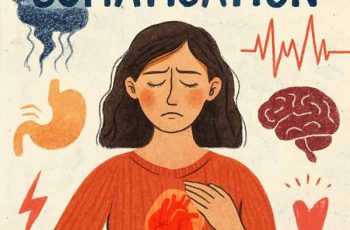
Emotional damage is a term that has become increasingly common in conversations about mental health, relationships, and personal growth. Although it is not an official medical diagnosis, it describes the emotional wounds that can develop after difficult experiences, painful relationships, loss, neglect, abuse, or prolonged stress. These invisible injuries often shape the way people think, feel, and interact with the world long after the original event has passed.
Unlike a physical wound, emotional damage cannot always be seen. Someone may appear successful, confident, and functional while silently struggling with feelings of insecurity, anxiety, fear, or emotional exhaustion. In many cases, people do not even realize that certain patterns in their lives are connected to unresolved emotional pain from the past.
Understanding emotional damage is an important step toward emotional wellbeing. When we learn to recognize the signs, we become better equipped to heal and build healthier relationships with ourselves and others.
What Is Emotional Damage?
Emotional damage refers to the psychological impact of experiences that overwhelm a person’s ability to cope. These experiences may happen during childhood, adolescence, or adulthood and can leave lasting emotional scars.
Not everyone responds to difficult situations in the same way. Two people may experience a similar event and have completely different emotional outcomes. Factors such as personality, support systems, resilience, and previous life experiences all influence how emotional wounds develop.
Emotional damage is often associated with feelings of rejection, abandonment, shame, guilt, fear, or worthlessness. Over time, these feelings can influence self-esteem, decision-making, relationships, and overall quality of life.
What Causes Emotional Damage?
Emotional wounds can develop from a wide range of experiences. While major traumatic events are often discussed, emotional damage can also result from repeated smaller experiences that accumulate over time.
Childhood emotional neglect is one of the most common causes. Children who grow up feeling unseen, unheard, or emotionally unsupported may learn to suppress their feelings or doubt their own worth. Similarly, growing up in highly critical environments can create long-lasting beliefs about inadequacy and failure.
Emotional abuse, bullying, toxic relationships, betrayal, abandonment, divorce, grief, and chronic stress can also contribute to emotional damage. In some cases, the wound is not caused by what happened, but by what was missing—such as affection, validation, safety, or emotional connection.
Life transitions can also trigger emotional distress. Moving to a new country, losing a job, experiencing financial hardship, or facing significant health challenges can create emotional strain that accumulates over time if left unaddressed.
Signs of Emotional Damage
The effects of emotional damage often appear in subtle ways. People may assume their reactions are simply part of their personality when, in reality, they are coping mechanisms developed to protect themselves from further pain.
One common sign is difficulty trusting others. Individuals who have experienced betrayal or emotional neglect may struggle to believe that relationships are safe or dependable.
Fear of rejection is another frequent indicator. Some people become overly cautious and avoid vulnerability, while others seek constant reassurance and validation from those around them.
Low self-esteem, people-pleasing behaviour, emotional numbness, chronic anxiety, perfectionism, self-sabotage, and difficulty setting boundaries are also common signs. Some individuals become highly independent because they learned early in life that relying on others was unsafe.
Emotional damage can also manifest physically. Chronic stress has been linked to sleep disturbances, headaches, digestive issues, fatigue, and other health concerns that affect overall wellbeing.
How Emotional Damage Affects Adult Life
Many emotional wounds formed early in life continue to influence adulthood in ways that are not immediately obvious.
In relationships, emotional damage may create patterns of avoidance, insecurity, jealousy, fear of intimacy, or difficulty expressing emotions. People may unconsciously recreate familiar relationship dynamics, even when those dynamics are unhealthy.
In professional settings, emotional wounds can contribute to imposter syndrome, fear of failure, perfectionism, or difficulty accepting praise. Some individuals constantly overwork themselves in an attempt to prove their worth, while others avoid opportunities because they fear criticism or rejection.
Emotional damage can also affect parenting. Adults often discover that unresolved childhood experiences influence the way they respond to their own children. This awareness can be challenging, but it also creates an opportunity to break harmful cycles and develop healthier patterns for future generations.
Emotional Damage and Childhood Experiences
Childhood plays a significant role in emotional development. During the early years, children learn about safety, trust, connection, and self-worth through their interactions with caregivers and the environment around them.
When emotional needs are consistently met, children develop a stronger sense of security and resilience. When those needs are ignored, dismissed, or met inconsistently, emotional wounds may develop.
Research in developmental psychology has shown that adverse childhood experiences can have long-term effects on mental health, relationships, and physical wellbeing. However, childhood experiences do not determine a person’s future. Awareness, support, and healing can help people create new patterns and healthier ways of relating to themselves and others.
Emotional Damage vs Trauma
The terms emotional damage and trauma are often used interchangeably, but they are not exactly the same.
Trauma generally refers to an experience that overwhelms a person’s ability to cope and can have significant psychological effects. Emotional damage is a broader term that may include trauma but can also describe emotional wounds resulting from ongoing stress, neglect, criticism, or difficult life experiences.
In other words, trauma can cause emotional damage, but not all emotional damage originates from a traumatic event.
Understanding this distinction helps people recognize that their pain is valid even if they have never experienced what is traditionally considered severe trauma.
Can Emotional Damage Be Healed?
Healing emotional wounds is rarely a linear process. It often involves self-awareness, patience, and a willingness to explore difficult emotions.
Therapy can provide valuable support by helping individuals identify unhealthy patterns, process painful experiences, and develop healthier coping strategies. Supportive relationships also play an important role in healing by creating experiences of trust, safety, and acceptance.
Practices such as mindfulness, journaling, creative expression, and emotional regulation techniques can help individuals reconnect with their emotions and build resilience. For many people, art, music, writing, and other forms of creativity become powerful tools for processing emotions that are difficult to express through words alone.
Healing does not mean forgetting the past or pretending painful experiences never happened. Instead, it means reducing their power to control the present and creating space for growth, connection, and wellbeing.
Read More:
- Human Centred Design: Technology Still Needs Human Thinking
- The Depersonalization of Self: When Being Becomes Performance
- Frankenstein Netflix 2025: A Poetic Rebirth on Netflix
Final Thoughts
Emotional damage may be invisible, but its effects are often woven into daily life, influencing relationships, self-esteem, decisions, and emotional health. The good news is that emotional wounds are not permanent sentences. Human beings are remarkably adaptable, and with awareness, support, and intentional healing, it is possible to develop healthier patterns and stronger emotional foundations.
Understanding emotional damage is not about dwelling on the past. It is about recognizing how past experiences may still be shaping the present and choosing a path toward greater emotional freedom, resilience, and self-compassion.