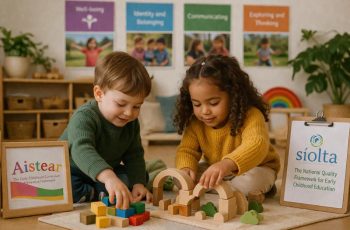
Child development is one of the most fascinating and misunderstood parts of human life. Children are not simply “small adults.” Their brains, emotions, language, nervous systems, and social abilities are constantly evolving — especially during the first years of life. Every experience matters. A conversation during breakfast, a bedtime story, outdoor play, emotional safety, sleep, stress, affection, routines, and even silence all shape how a child develops.
At the same time, development is not a race. Children grow at different speeds, and healthy development does not look exactly the same for every child. Understanding child development helps parents, caregivers, and educators support children with more clarity, patience, and confidence.
What Is Child Development?
Child development refers to the physical, emotional, cognitive, social, and language changes that happen as children grow. Development begins before birth and continues throughout childhood and adolescence. During the early years, the brain develops rapidly, creating millions of neural connections through relationships, movement, communication, and play.
Child development is usually divided into five main areas:
- Physical development
- Cognitive development
- Language development
- Emotional development
- Social development
All of these areas are connected. For example, emotional safety can influence language learning, and physical movement can support cognitive growth.
The 5 Main Areas of Child Development
Physical Development
Physical development includes growth, coordination, movement, balance, and motor skills. This area is divided into:
Gross Motor Skills
Large body movements such as:
- crawling
- walking
- running
- jumping
- climbing
Fine Motor Skills
Small hand movements such as:
- holding crayons
- using scissors
- buttoning clothes
- stacking blocks
Physical activity is essential for healthy brain development, emotional regulation, and learning.
Cognitive Development
Cognitive development refers to how children think, solve problems, understand the world, remember information, and process experiences. Children develop cognitive skills through:
- exploration
- repetition
- curiosity
- play
- sensory experiences
- social interaction
Pretend play, storytelling, puzzles, music, and open-ended activities help strengthen cognitive growth.
Language Development
Language development includes:
- understanding words
- speaking
- gestures
- communication
- listening
- early literacy skills
Children learn language primarily through human interaction — not passive screen exposure. Talking during daily routines, reading books, singing songs, and responsive conversations support healthy language development.
Emotional Development
Emotional development involves:
- recognizing feelings
- expressing emotions
- self-regulation
- empathy
- resilience
- attachment
Young children do not automatically know how to calm themselves. Emotional regulation develops gradually through co-regulation with trusted adults. Children learn emotional safety before emotional control.
Social Development
Social development includes learning how to:
- interact with others
- share
- cooperate
- build friendships
- understand boundaries
- communicate socially
Social skills are developed through relationships and real-world experiences, not only instruction. Play is one of the most powerful tools for social learning.
Child Development Milestones by Age
Developmental milestones are general guidelines, not strict rules. Some children reach milestones earlier or later than others.
0–12 Months
During the first year, babies rapidly develop attachment, sensory awareness, and early communication. Common milestones include:
- smiling socially
- rolling over
- sitting independently
- babbling
- responding to voices
- crawling
- first words
- pulling to stand
1–2 Years
Toddlers begin exploring independence and movement. Common milestones include:
- walking
- pointing
- saying simple words
- following simple instructions
- imitating adults
- showing emotions more clearly
- engaging in simple pretend play
Tantrums often emerge during this stage because emotional regulation is still immature.
3–5 Years
This stage brings rapid imagination, language expansion, and social learning. Children may:
- ask many questions
- create imaginative stories
- speak in longer sentences
- begin cooperative play
- recognize emotions
- develop early problem-solving skills
- improve balance and coordination
Play becomes deeply connected to learning during this phase.
6–8 Years
School-age children develop more complex thinking and emotional awareness. Common developments include:
- stronger friendships
- improved concentration
- better emotional expression
- more advanced language skills
- increased independence
- growing self-awareness
At this age, confidence and emotional support still play a major role in learning.
Why Play Is Essential for Child Development
Play is not “extra.” Play is how children learn. Research consistently shows that play supports:
- brain development
- creativity
- emotional regulation
- executive functioning
- language skills
- social development
- resilience
When children play freely, they experiment, imagine, negotiate, solve problems, and process emotions. Unstructured play is especially important because it allows children to develop autonomy and flexible thinking. A child building a pillow fort may also be building:
- planning skills
- cooperation
- emotional confidence
- symbolic thinking
What looks simple on the outside is often complex brain work underneath.
What Affects Child Development?
Many factors influence how children grow and learn.
Emotional Safety
Children develop best when they feel emotionally secure, connected, and supported. Chronic stress and fear can affect learning, behaviour, sleep, and emotional regulation.
Relationships
Responsive caregiving strongly influences brain development. Children need:
- eye contact
- conversation
- affection
- attention
- predictable support
Connection is one of the foundations of healthy development.
Sleep
Sleep is essential for:
- memory
- emotional regulation
- concentration
- physical growth
- brain development
Sleep deprivation can significantly affect behaviour and learning.
Nutrition
Balanced nutrition supports:
- energy
- attention
- growth
- immune health
- brain functioning
Hydration and regular meals also influence mood and regulation.
Screen Time
Technology itself is not inherently harmful, but excessive or poorly regulated screen exposure may affect:
- attention
- sleep
- communication
- emotional regulation
- physical activity
Young children especially benefit from real-world sensory experiences and face-to-face interaction.
Signs a Child May Need Extra Support
Every child develops differently, but some signs may indicate the need for additional evaluation or support. Possible concerns may include:
- significant speech delay
- lack of response to communication
- extreme difficulty interacting socially
- loss of previously learned skills
- intense sensory difficulties
- severe emotional dysregulation
- delayed motor skills
Seeking support is not failure. Early support can make a meaningful difference.
Child Development and Emotional Safety
Children do not learn well in survival mode. When a child feels constantly criticized, ignored, afraid, or emotionally unsafe, the nervous system may prioritize protection over learning. Emotional safety helps children:
- explore confidently
- regulate emotions
- communicate openly
- build trust
- develop resilience
Connection is not the opposite of boundaries. Healthy development requires both emotional warmth and structure.
How Parents Can Support Healthy Child Development
Parents and caregivers do not need perfection. Children benefit most from consistent connection and responsive care.Helpful strategies include:
- reading daily
- talking during routines
- encouraging free play
- limiting overstimulation
- validating emotions
- creating predictable routines
- allowing outdoor movement
- modeling emotional regulation
- offering affection and attention
Small everyday interactions shape development more than perfection ever could.
Modern Challenges in Child Development
Modern childhood is very different from previous generations. Many children today experience:
- constant stimulation
- reduced boredom
- less outdoor play
- increased screen exposure
- faster content consumption
- overstimulating environments
Boredom, silence, creativity, and slow play are becoming rare — yet they remain deeply important for emotional and cognitive development. Children need moments where imagination can breathe.
Child development is not simply about milestones or academic performance. It is about the gradual construction of a human being. Children learn through movement, relationships, emotional safety, curiosity, repetition, and play. A child is not a productivity project to optimize. A child is a nervous system learning how to exist in the world.
Read More:
- Voice of the Child ELC Ireland: Listening in Practice
- Practitioner Skills Child Centred ELC Ireland: Values in Practice
- UNCRC Ireland Children Rights: How It Shapes Policy and Practice
FAQ
What are the 5 areas of child development?
The five main areas are physical, cognitive, language, emotional, and social development.
Why is child development important?
Understanding child development helps parents and educators support healthy emotional, social, and cognitive growth.
What age is most important for child development?
The early years, especially from birth to age five, are extremely important because the brain develops rapidly during this period.
Does every child develop at the same pace?
No. Development varies between children, and milestones are general guidelines rather than strict rules.
Can play improve child development?
Yes. Play supports emotional regulation, creativity, problem-solving, language, and social skills.
Can too much screen time affect development?
Excessive screen time may affect sleep, attention, communication, and emotional regulation, especially in younger children.